Shipbuilding in the U.S.


The Shape of Shipyards

With the M/V New Jersey undergoing a complete lifecycle extension at the shipyard in Staten Island and the 2021 start of the Marine Master plan for the ferries of the future, it’s a good time to look at the role of shipyards.

It’s a story we don’t frequently tell and one that is both steeped in history, global defense positioning, and economic implications. If you buy a car, it’s important to know if there are mechanics and service stations nearby. Similarly, if you have a boat, it’s good to know the state of shipyards that help build and keep those boats in peak condition.


Shipyards and the Economy

Currently, there are 124 shipyards in the US across 26 states. Per a 2021 article in Maritime Executive, industry studies show shipyards support approximately 110,000 jobs across all 50 states and contribute $37.3 billion to the national Gross Domestic Product (GDP). 

An industry forecast by IBISWorld, a global business market research firm, anticipates continued shipyard growth through 2026 to support the need for defense, passenger and commercial vessels ranging from barges, submarines, tugboats, and fishing vessels to ferries like those that will be commissioned for the Cape May-Lewes Ferry. Nonetheless, the number of shipyards in close proximity to our ports that can handle our size and type of vessel are limited. 

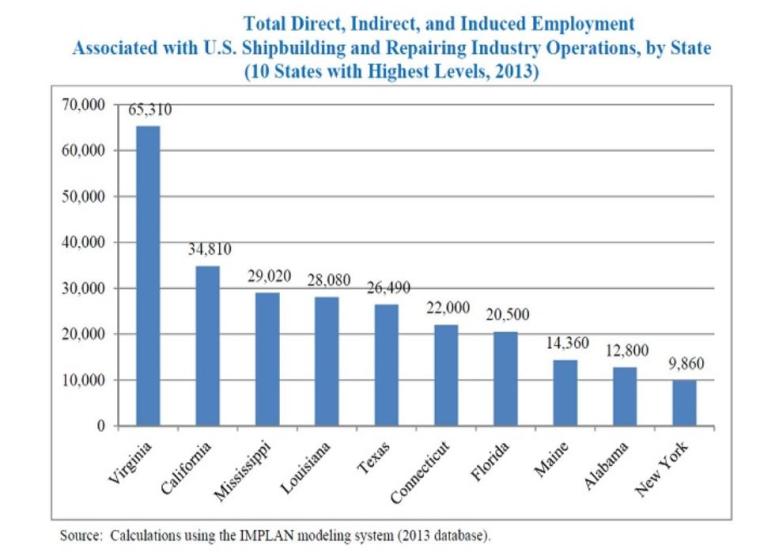
The chart below, taken from an economic study on the shipping industry in 2013 shows the top 10 states with shipbuilding capabilities, with the top 5 accounting for almost two-thirds of all private shipbuilding employment. For every shipbuilding job in the U.S., three indirect jobs are supported. Virginia, which tops the chart, is home to General Dynamics, the largest shipbuilder in the country and one that caters to specialty naval vessels. 
Image
Chart of Implan data on US shipyards

Finding Local Expertise

The lack of local resources is one of the reasons the Cape May-Lewes Ferry has a robust marine shop on premises for minor repairs. It’s why when a ferry from Martha’s Vineyard was sailing to a Chesapeake shipyard years ago and broke down in transit, repairs were done by the Cape May-Lewes Ferry team as the closest marine mechanics able to assist getting the Massachusetts ferry back underway.

Currently, the closest shipyards for larger types of mechanical repairs for our sized vessels are in Philadelphia followed by Staten Island, where the M/V New Jersey is currently being refurbished. Although some shipyards are closer to Cape May, they don’t have dry docks large enough for CMLF vessels and are generally designed to support smaller boats.

In 2017, the M/V NJ docked at Dorchester Shipyard near Port Norris, NJ —  located where the Delaware River flows into the Delaware Bay — for steelwork and painting upgrades. The repairs did not require full dry docking, and Dorchester, proud of winning the paint contract, published the YouTube video below.   

Where are the DE and NJ Shipyards?

You may notice that the current CMLF fleet carries the words “Wilmington, DE” on their bows. This is a tribute to the DRBA’s Delaware roots, but also the deep history of ferry boat building and passenger services that came out of Wilmington shipyards. Today, the Port of Wilmington is better known for cargo vessels as is the the nearby Port of Camden, but at one time both were major shipbuilding centers. 

Camden was important in WWII efforts, responsible for the launch of several legendary battleships including the USS South Dakota, USS Kitty Hawk, and 98 landing craft used at Normandy Beach. Ironically, the Camden shipyard was built in 1899 by Henry Morse, an engineer who originally wanted to have his shipyard in Staten Island but couldn’t find a suitable site. He subsequently named his Camden yard on the Delaware River — New York Shipbuilding Corporation!

Delaware’s shipbuilding history is based in Wilmington due to its proximity to both the Delaware and Christiana Rivers. At one time, there were four major shipbuilding plants along the Christiana and in WWII, Wilmington shipyards specialized in small water invasion craft and the famous Higgins boats, called the “boats that won the war.” Click the thumbnail below for a piece from CBS Sunday Morning on Higgins boats and how they were inspired by shallow draft skiffs on the Louisiana Bayou. 

Wilmington Ferry Lines

Of all the local DE and NJ shipping locations of yesteryear, Wilmington was the one that became known for shipyards that catered to ferry lines. Ferries in the Wilson Line, were built in Wilmington to take passengers up river to New Jersey and Philadelphia before rail and roadways could accommodate the traffic. The ferries specialized in day excursions. 

Today’s Debate

Today, the debate about shipyards involves the 1920 Jones Act, which requires that all goods and services shipped between US ports must be on ships built, owned, and operated by US citizens and permanent residents. Designed to stimulate shipping after WWI, many economists, defense experts and others argue it has had the opposite effect and resulted in limiting US maritime growth. 

The Jones Act has been cited in limiting trade and emergency response to Puerto Rico and affects the ability of American shipping lines to import services when needed. For future marine master planning at the CMLF, it means any boats ordered for our line will come from one of just a few available shipbuilders, as most US shipyards specialize in smaller boats or deep-water Navy vessels, with many ferry specialists currently located in Europe. This is one reason the Marine Master plans and designs provided by naval architecture consulting firm Elliott Bay must take into account shipbuilding capabilities available within U.S. shores as part of their consideration and recommendations.
Catch the Best Sunsets in the World

How to Be A Ferry Captain

"How can I become a Cape May-Lewes Ferry Captain?"

We get asked this question many times. In general, you start at the bottom and work your way up.

If you come to the Ferry with prior maritime experience either — say in commercial fishing, the Navy, or from a maritime academy — the process can move faster. Usually, however, deck officers start in lesser positions and some start as an entry-level deckhand or ordinary seaman (OS). This is good news for people who don’t have formal training in the industry, or young and second career folks who want to learn on the job.

The Historical Exception

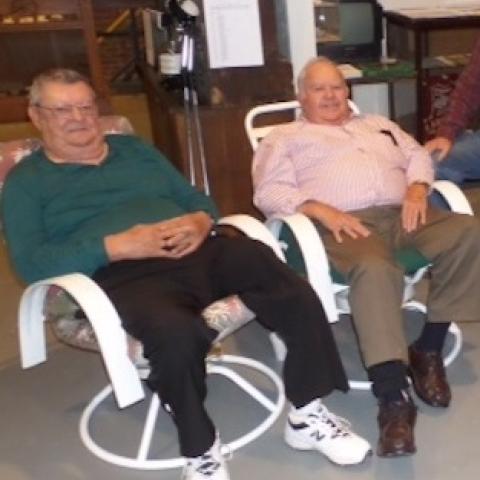
Original CMLF ferry captains Billy Ray Phillips (l) and Richard Belote (r) reminiscing about early days being Ferry boat captains in Virginia and on the Delaware Bay.
Image Title
Original CMLF ferry captains Billy Ray Phillips and Richard Belote

The very first ferries used to cross the Delaware Bay for the Cape May-Lewes system came from the Virginia Ferry Corporation which operated ferries crossing the Chesapeake Bay before the construction of the Chesapeake Bay Bridge Tunnel.

Four ferries were purchased and two of the existing Virginia captains — Billy Ray Phillips and Richard Belote (l-r)– transferred to the Delaware River & Bay Authority (DRBA) to sail the boats and mentor new mariners in vessel operations.

One young crewman, Charles Belote, was Captain Belote’s son, later serving on the CMLF as an Ordinary Seaman (OS), life boat man, and Able-bodied Seaman (AB) under his dad. In 2013, Belote senior and Phillips met with the Cape Charles Historical Society to reminisce about earlier times including their joint tenure at the Cape May-Lewes Ferry during the 1960’s and 70’s (see photo above).

Today's Career Path

Regardless of the vessel, captains today go through a series of steps to reach the top bridge officer position. The training varies depending on the class of vessel and body of water being sailed, but there are some basics including a defined amount of sea time. In general, the needed experience is a few years on the specific shipping line where you want to rise to captain. As an example, ferry captains must have sailed as a mate for at least 360 days, have the proper USCG license and pilotage endorsement and, most importantly, the required experience.  

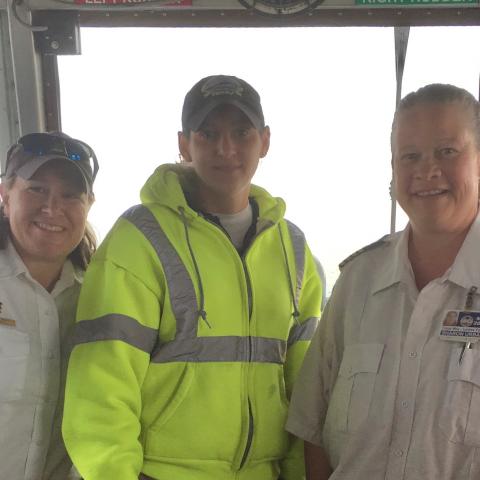
First all female bridge crew to sail across the bay - Captain Sharon Urban, Pilot Melissa Velli, and Bosun Paulette NIchols.
Image Title
First all-female bridge crew to sail across the bay – Captain Sharon Urban, Pilot Melissa Velli, and Bosun Paulette NIchols.

A captain can lead from the bridge of multiple vessels in a cruise or shipping line that are similar in category and sail on the same body of water. A Cape May-Lewes Ferry Captain, for instance, can be the senior bridge officer on any of the Cape May-Lewes Ferry vessels. But before this happens, there are two significant hurdles. 

First, a deck officer must earn a pilotage endorsement. To do this, he or she must draw the entire chart of the Delaware Bay in which the ferry operates from memory! Secondly, the deck officer spends time with other captains, and must earn their confidence — and that of the port captain — by gaining sign-off on a lengthy checklist of skills including dockings and other maneuverings in fog and rough seas/heavy traffic. Not all prospective captains succeed these tests.

It is also the reason captains from other ferry and shipping systems cannot just assume duty on the Ferry and, instead, start work as lower deck officers, progressing up the ranks when they qualify with enough sea time, licenses and experience specific to the Delaware Bay.

Although an increasing number of young mariners are coming into the maritime trade with post-secondary education or training through the Coast Guard, Navy or maritime academies, it is still a hands-on craft where experience is required in addition to book learning.

Different Life Experiences

Many Cape May-Lewes Ferry Captains first started on the water with experience in commercial fishing operations, or from family maritime businesses on the Delaware Bay. Although these local experts knew the waters, they also had to learn the operation of CMLF vessels. Recently retired Captain Dave Macomber and Port Captain Stan Hansen both came to the Ferry attracted to the better work-life balance after being in local commercial fishing, .

Two of our current bridge officers, Captains Melissa Velli and Sharon Urban, started with the Ferry working in food and retail operations. While handling these duties onboard the ferries, they learned about marine career possibilities. Both subsequently transferred to the Marine Department and started as ordinary seamen to learn operations from the bottom up. 

Image
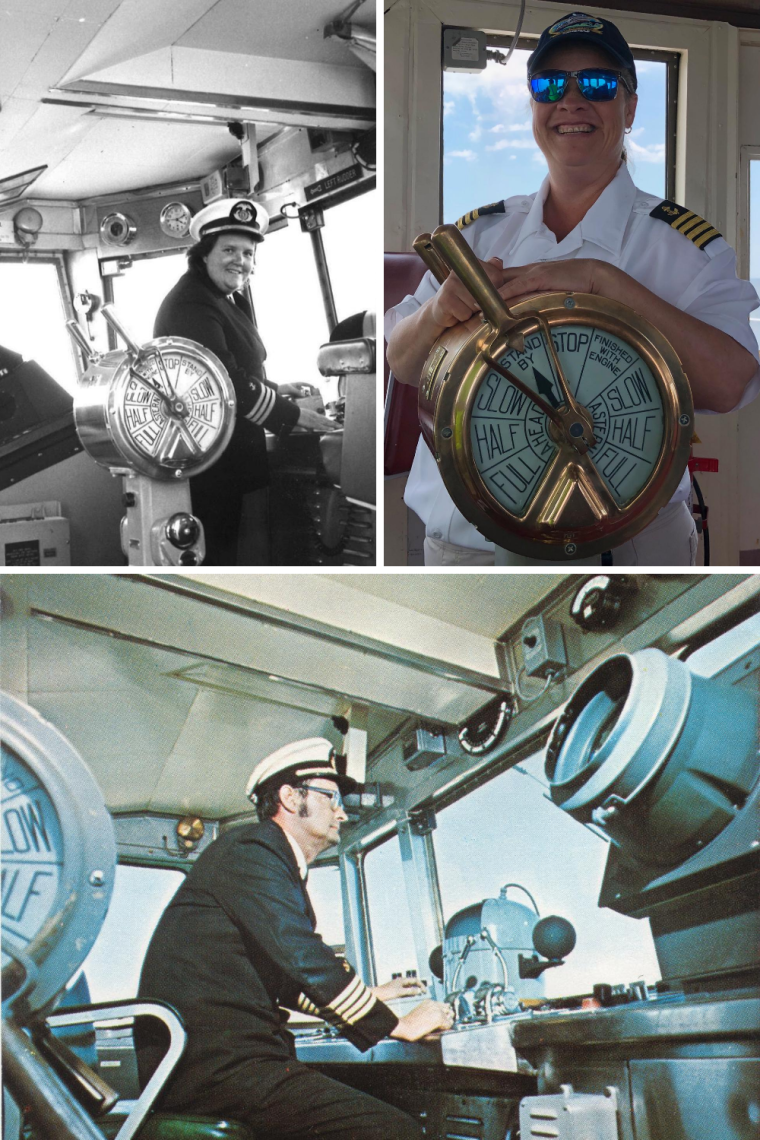
collage of first ferry captains, LInda Douglas - first female ferry captain 1991, Billy Ray Phillips - first ferry captain 1964, and Sharon Urban - first permanent female captain 2020.

Captain Urban made history on July 22, 2020 when she became the first permanent female Captain in the history of the system. In total, four women have served as captains at the Ferry, with the first being Linda Douglas in August 1991. Douglas joined the Ferry in 1982 with prior Coast Guard training to become a CMLF Captain after 9 years. Urban started in the marine division in 1997 becoming a Captain after two decades of on-the-job training. 

Two other current bridge officers, Captain Meghan Palmer and Captain Jim Harkin, came to the Ferry with different levels of marine experience. Captain Palmer was a graduate of the U.S Merchant Marine Academy were she received a BS degree in Logistics and Intermodal Transportation and earned an Ocean’s Unlimited Tonnage Third Mate’s License. Captain Palmer was hired in 2011 and qualified to sail as a Captain in 2018 after 7 years. Captain Harkin was a naval officer before coming to the Ferry and advanced to bridge captain after 6 years of CMLF experience. Their timeframes were shortened somewhat due to their prior maritime experience and credentials.

It's A Ferry Large Job!

Regardless of career track, the process takes time as each bridge officer needs to earn a United States Coast Guard (USCG) Inland Masters License of Unlimited Tonnage and an endorsement as a  USCG First Class Pilot upon the Delaware Bay License of Unlimited Tonnage. The Unlimited Tonnage refers to the largest boats possible, and is required due to the size of the Ferry vessels. Captains on the Cape May-Lewes Ferry also must be certified in CRP/First Aid, advanced marine firefighting and marine radio and radar operations.

Want to learn more about CMLF Captains?  Click on the button below to go to our Captain’s page and see their pictures. Click on the pictures to read their different stories.  

Are You Ready to Get Started?

Here are some things to keep in mind:
  1. You must be at least 18 years of age to work on the Cape May-Lewes Ferry boats.
  2. Ordinary Seamen (OS) generally start as casual (or seasonal) workers, first working a summer to see how they like it.  Many also first start as dock attendants.
  3. As full time positions open up, casual OS workers can apply for the full-time positions.
  4. Once properly credentialed at the next level of Able-Bodied Seaman (AB), OSs frequently sail up as ABs while waiting for a full-time AB position to open up. 
  5. From the AB position, mariners can train and gain credentials while on-the-job to work toward officer positions ranging from Bosuns and Helmsmen to Mates
  6. Once a Mate, a deck officer generally has gained the pilotage endorsement and can sail-up to Pilot. 
  7. Once a Pilot, a mariner has a captain’s license and can become qualified to sail as captain. Each position has its own set of requirements as officers work toward become the Master, or Captain, on the Bridge.
  8. All posts as they become open are listed on DRBA.net under Employment Opportunities.

The ferry operates year-round so there are generally a few posts always open with positions ranging from marine engineers and mechanics to food and retail personnel and ordinary seaman. If you want to work out on the water, there’s a likely a job of interest for you! Check out our hiring page to get a sense of the many ways you can join our team!

Explore Things To Do In The Area

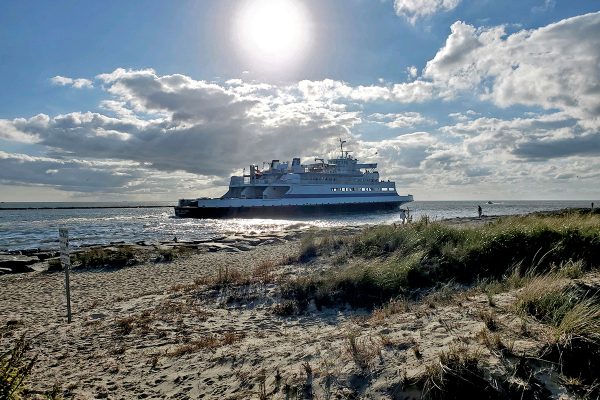
A view of the Cape May - Lewes Ferry from Sunset Beach in Cape May as she sails on Delaware Bay
Destinations Icon
Things To Do
November 21, 2025

New Year, New Adventures: 10 Ferry Travel Resolutions for 2026

simple_banner_linkedin_post_header
Travel Stories Icon
Travel Stories
February 26, 2024

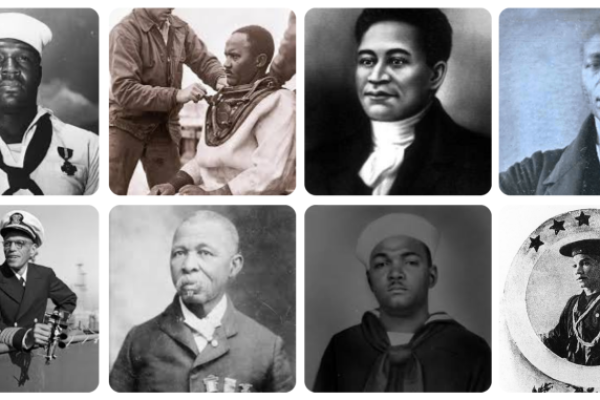
Honoring Black Mariners

Search in CMLF

Cape May Lewes Ferry

Subscribe to our newsletter

Booking Form